
Downy Serviceberry


Downy Serviceberry
Also known as Juneberry and shadbush, downy serviceberry (Amelanchier arborea) is one of the finest small native trees for year-round garden interest — a true four-season performer that rewards the patient observer. Its common name "shadbush" reflects the fact that its bloom coincides with the annual shad runs in New England rivers each spring.
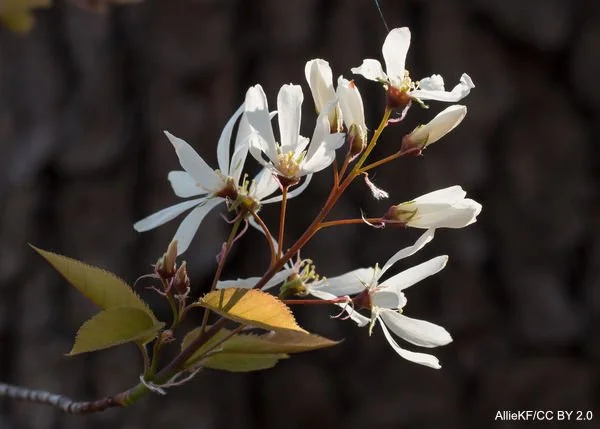
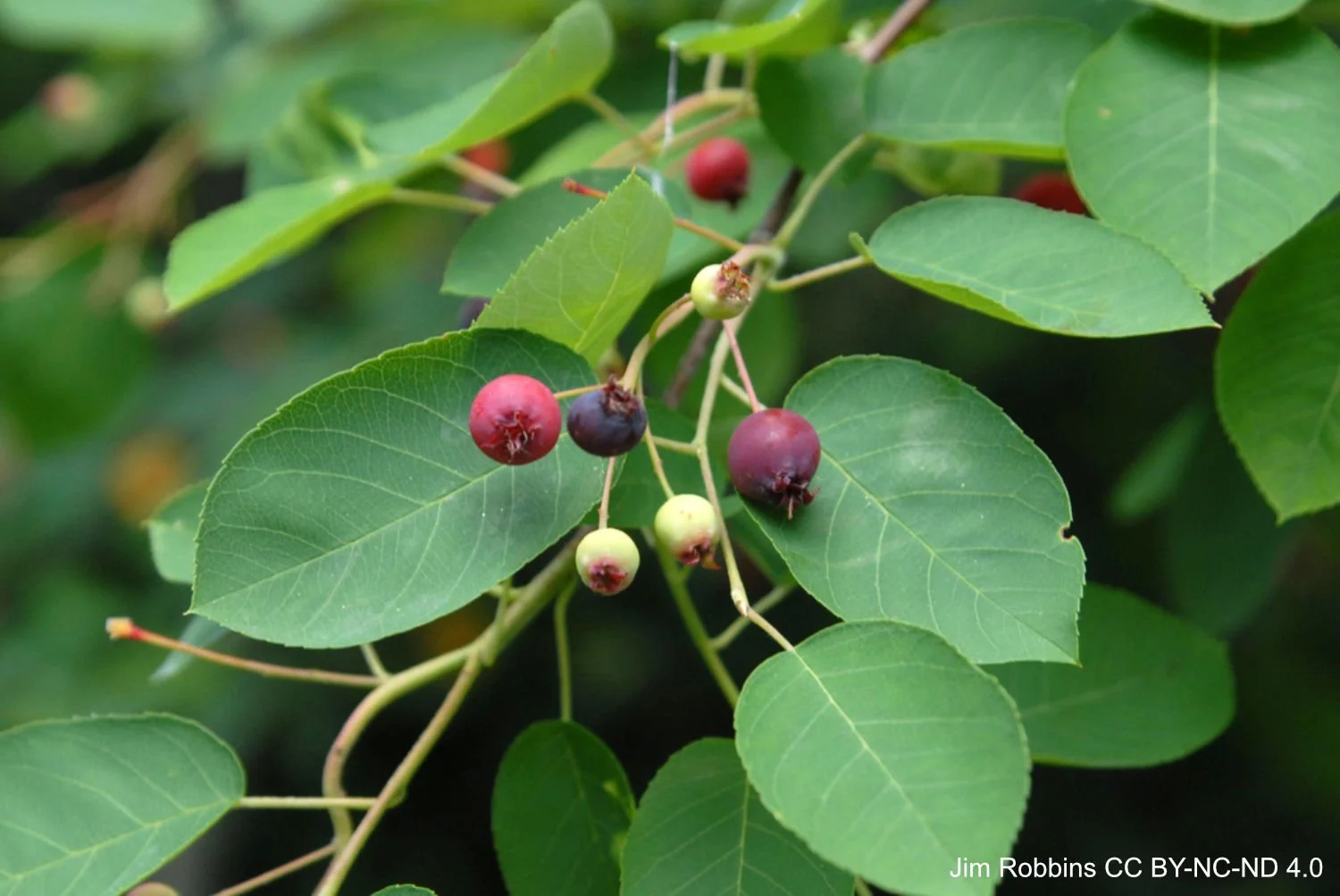
In early to mid-spring, before the leaves appear, drooping clusters of showy, slightly fragrant, five-petaled white flowers cover the bare branches in a luminous display. The blossoms are only at their peak for a short time, but they effectively herald spring and serve as an early, vital source of nectar for bees and butterflies. As the flowers fade, the next phase of the season begins: finely toothed leaves unfurl, covered in soft, woolly hairs — which give the plant its common name "downy" — before turning a rich green through summer. Small green berries follow, blush red, then ripen to a dark purplish-black in early summer, resembling blueberries in size and flavor, and they are excellent for jams, jellies, and pies—if the birds leave any behind. The display concludes in autumn with foliage turning fiery shades of yellow, orange, apricot, and dusty red. Even in winter, the smooth silvery-gray bark, which develops elegant longitudinal fissures over time, provides quiet structure and beauty.
Typically reaching 15–25 feet in height with a narrow, rounded shape, it can be maintained as a multi-stemmed large shrub or trained into a single leader as an elegant small tree.
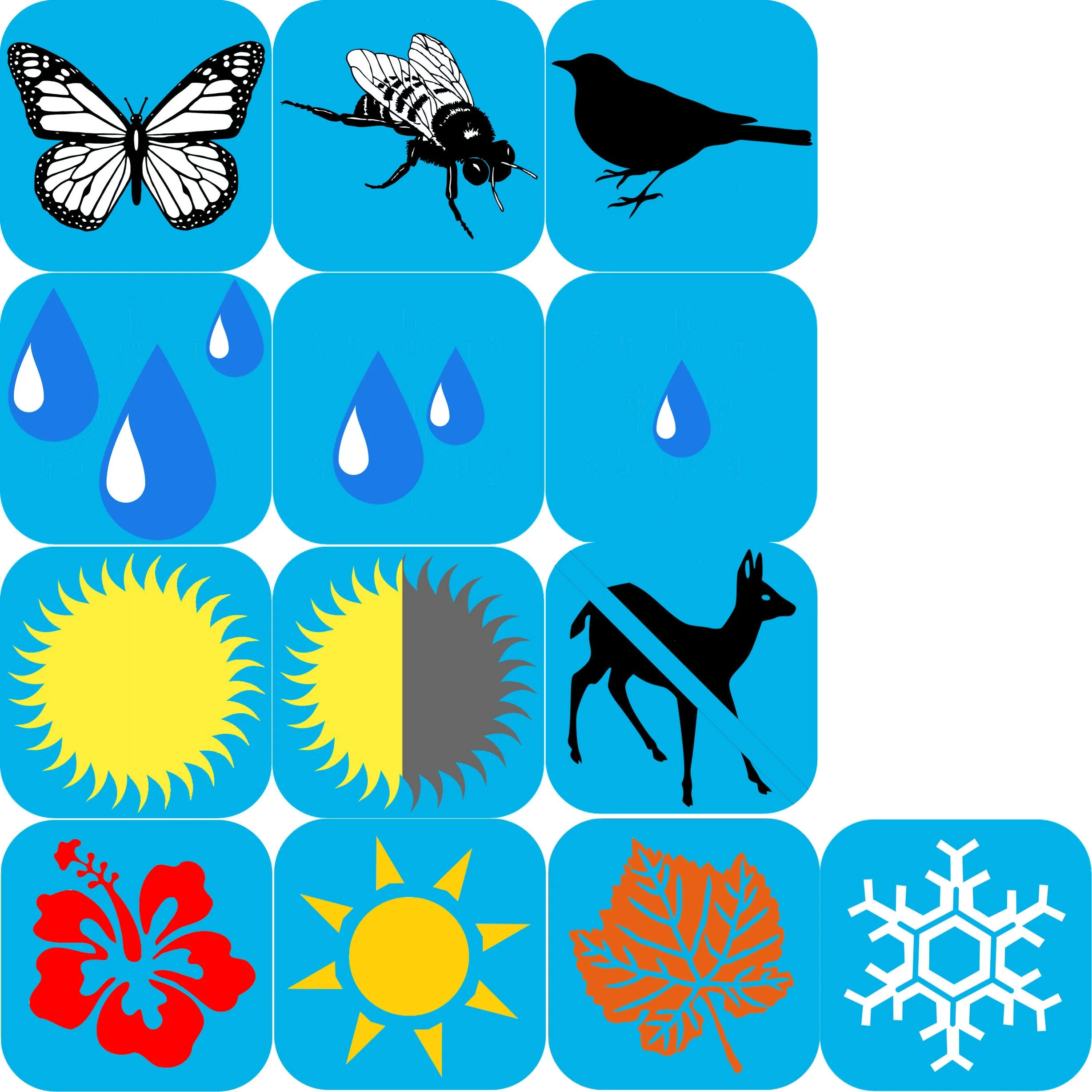
Downy serviceberry is a keystone species in the eastern landscape. Cedar Waxwings, Baltimore Orioles, Hermit Thrush, Hairy Woodpeckers, and Ruffed Grouse are among the many birds attracted to its berries, while mammals from chipmunks and foxes to black bears are drawn to its fruit and foliage. It serves as a larval food source for several butterfly species, and its early bloom makes it one of the most vital trees in the spring pollinator landscape.