Bird Friendly Communities
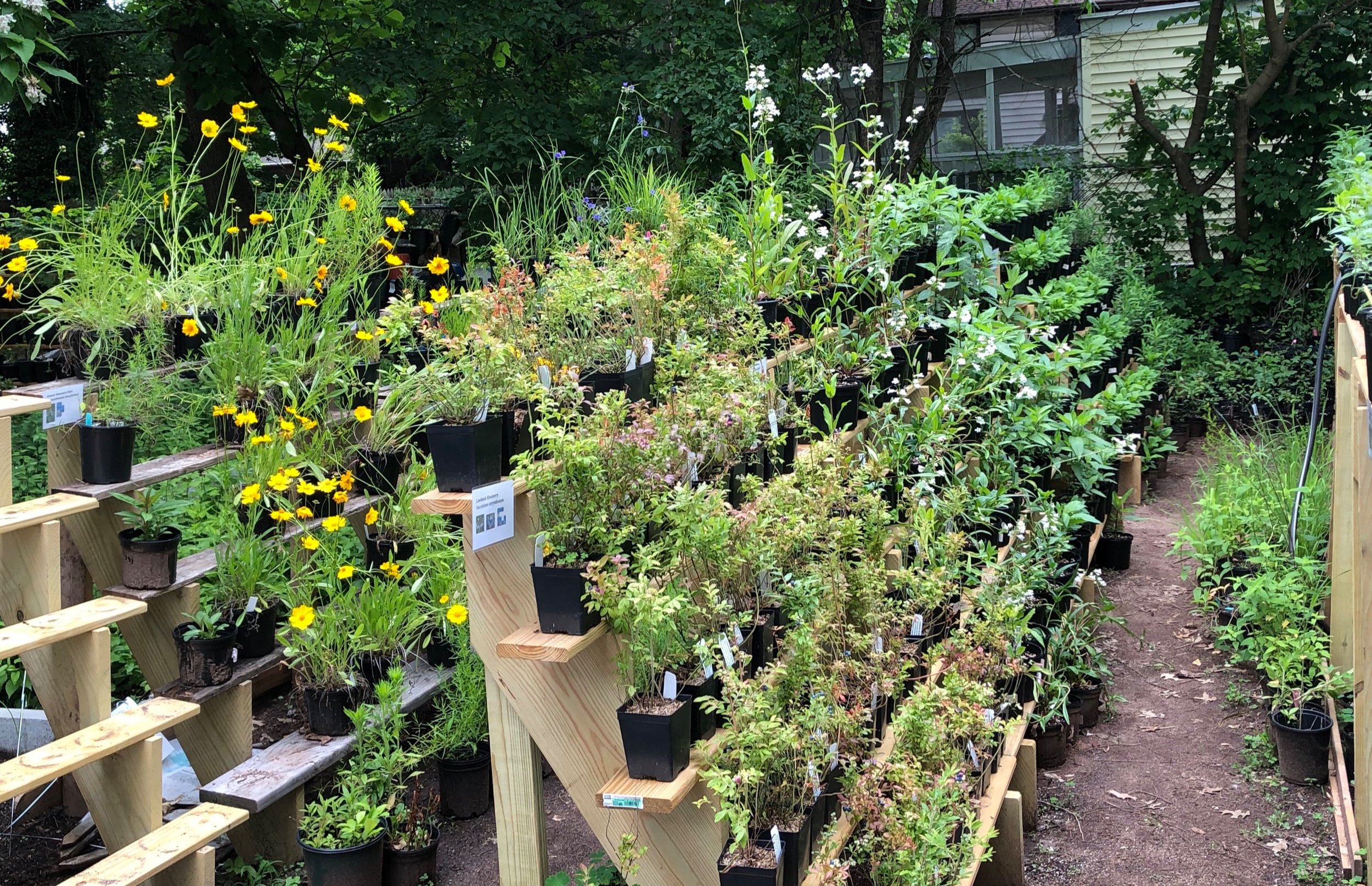
Gardens are outdoor sanctuaries for birds, insects, and other wildlife. Native plants are best at providing what they need.
Menunkatuck Audubon Society
Supporting measures to protect wildlife and the environment
Gardens are outdoor sanctuaries for birds, insects, and other wildlife. Native plants are best at providing what they need.
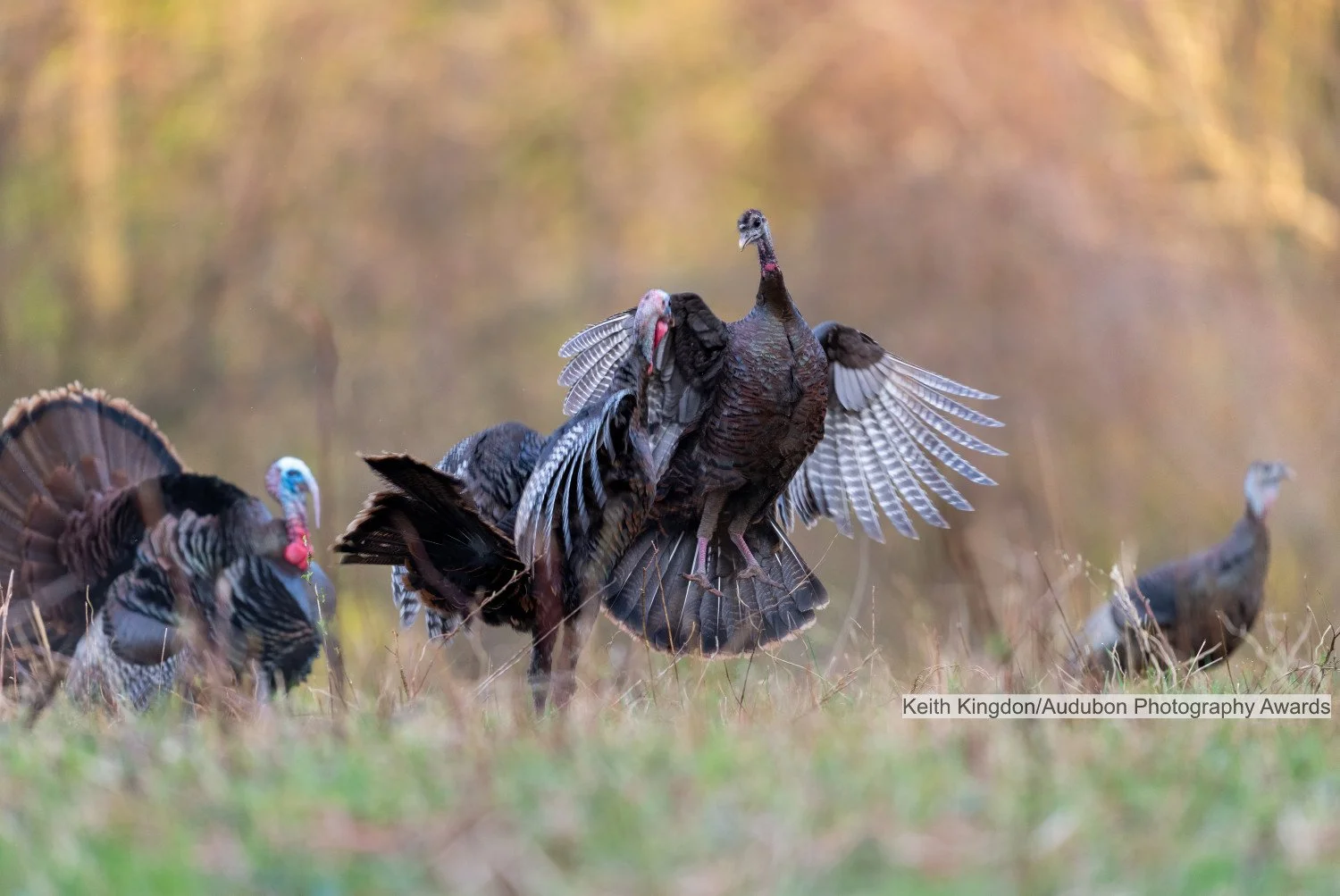
Join Heather Wolf, one of our very favorite speakers and the author of Find More Birds: 111 Surprising Ways to Spot Birds Wherever You Are and Birding at the Bridge: In Search of Every Bird on the Brooklyn Waterfront, as she discusses what to look for during fall migration, which is happening right now! Come with your questions because, as always, Heather will share beautiful pictures, and we're keeping plenty of time for Q&A.
Heather Wolf is a Brooklyn-based birder, photographer, and educator. She works with the Cornell Lab of Ornithology as a web developer, teaches birding classes at Brooklyn Botanic Garden, and gives walks and talks for various organizations in New York City and beyond.
Heather’s previous talks for Menunkatuck can be found here:
Bird Feathers and Their Fascinating Functions
Find More Birds: 111 Surprising Ways to Spot Birds Wherever You Are
Connecticut’s landscape has changed dramatically over the past 500 years, from forest to field to thicket and back to forest.
Before colonial deforestation, Native peoples had already cleared land for agriculture, but European settlement accelerated the process dramatically. By the mid-1800s, roughly 70-80% of Connecticut's forests had been cleared for farmland, timber, and fuel. Species tied to deep forests — elk, gray wolf, mountain lion, and eventually black bear — were extirpated from the state.
As farming shifted west and industrialized, Connecticut farms were abandoned en masse, and forests returned.
Post-WWII development fragmented the reforested land into a patchwork of suburbs, roads, and woodlots rather than a continuous forest.
As the land has changed, so have our wildlife. Join Margery Winters to learn how our current land-use and gardening practices affect our wild areas.
Margery is the Assistant Director and instructor at Roaring Brook Nature Center in Canton, where she is delighted to share her passion for earth science and nature with students of all ages. She manages the Nature Center’s native plant gardens and advocates for the role of natives in our designed landscapes. She is a Master Landscape Design Consultant.