Inkberry (Female)
Inkberry (Female)
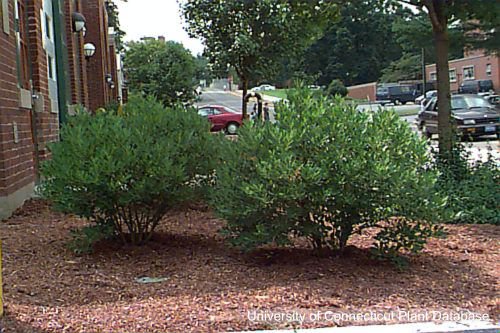
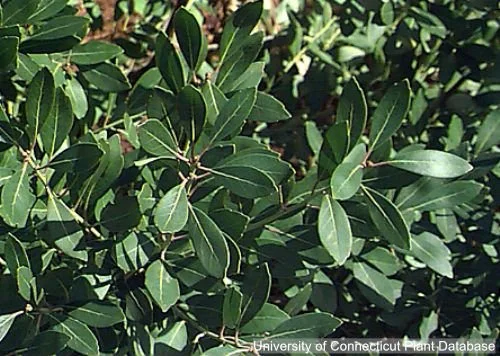
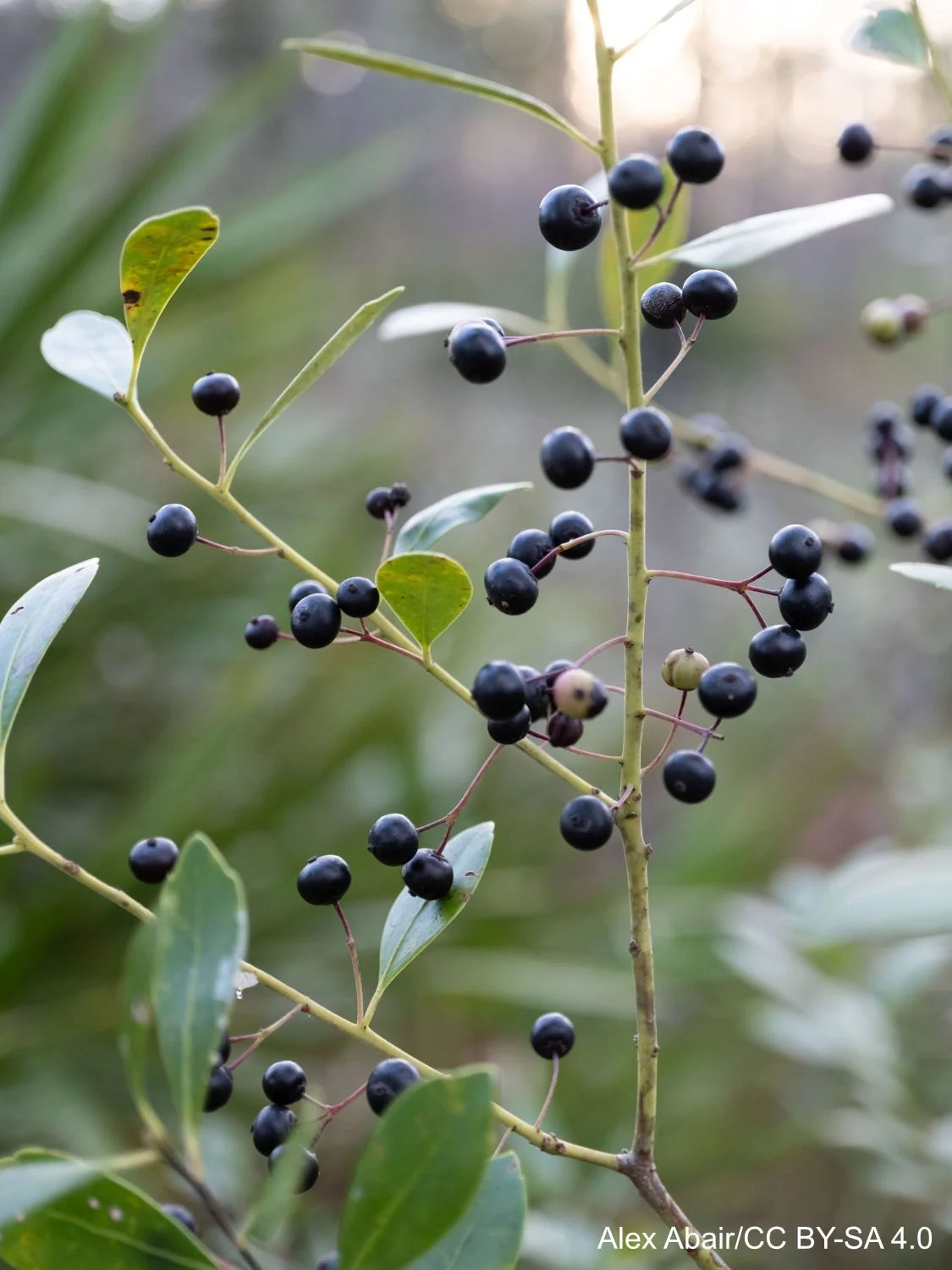
Inkberry (Ilex glabra) is one of the hardiest and most adaptable hollies in North American horticulture. Its glossy, dark green leaves remain attractive through winter, providing reliable year-round structure and color. In late spring to early summer, small greenish-white flowers appear, followed by a profusion of deep blue-black berries in fall that often persist well into winter.
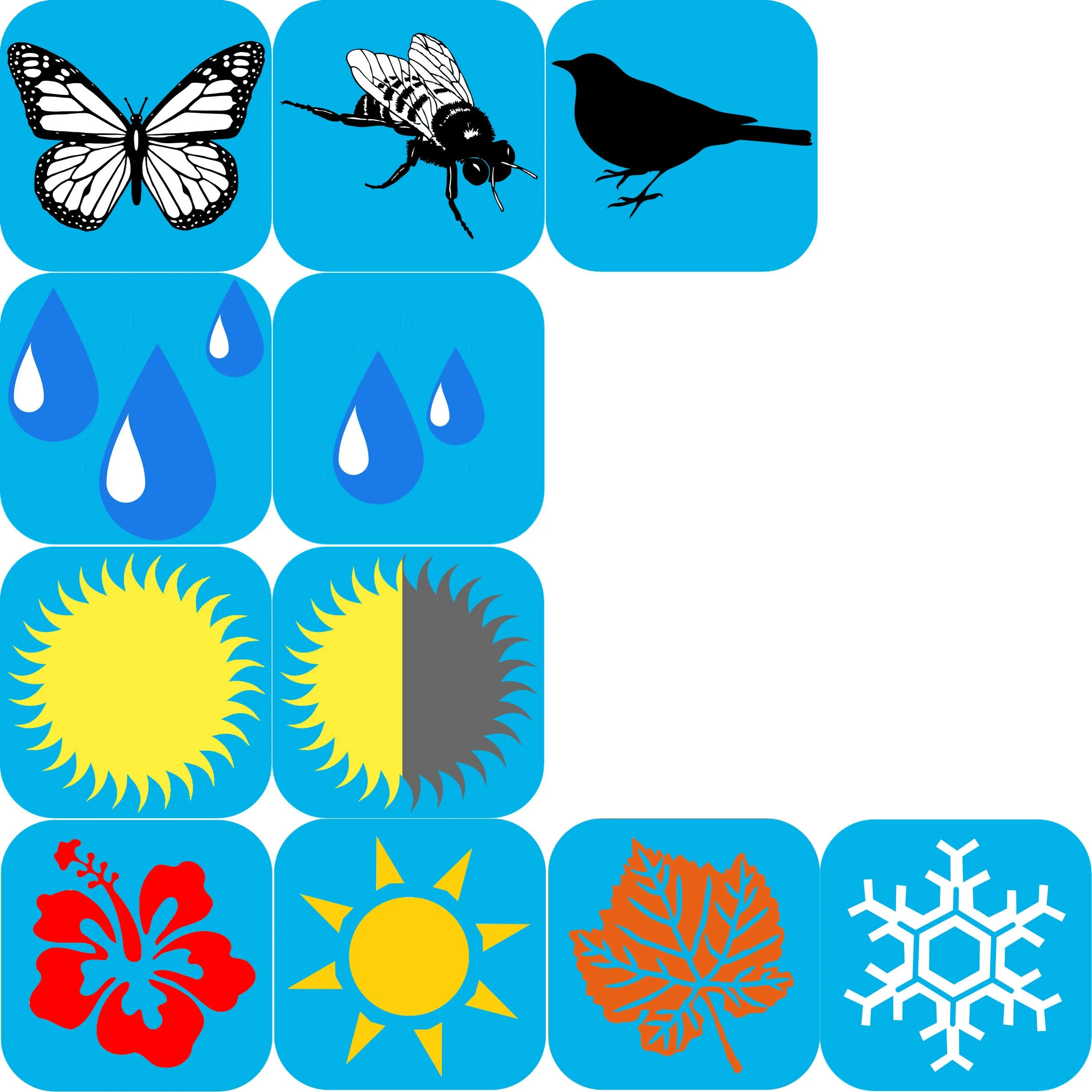
Inkberry provides nectar for pollinators, serves as a larval host plant for Henry's elfin butterfly, and its fruits are eaten by many bird species including Eastern Bluebirds, American Robins, and Northern Flickers, as well as small mammals. Note that berries may cause a mild reaction if ingested by people.
Inkberry grows easily in average to wet soils in full to part sun, thriving in both heavy clay and light sandy soils as long as conditions are acidic. It tolerates occasional flooding, soil compaction, pollution, and moderate salt exposure. It is an excellent choice for shrub borders, foundation plantings, and informal hedges, and is particularly effective naturalized in moist woodland gardens or near streams and ponds.
Inkberry has no serious pest or disease problems, and offers good resistance to both deer and rabbit browsing. Note that inkberry is dioecious — both a male and female plant are needed to produce berries.