
Shadblow Serviceberry
Shadblow Serviceberry
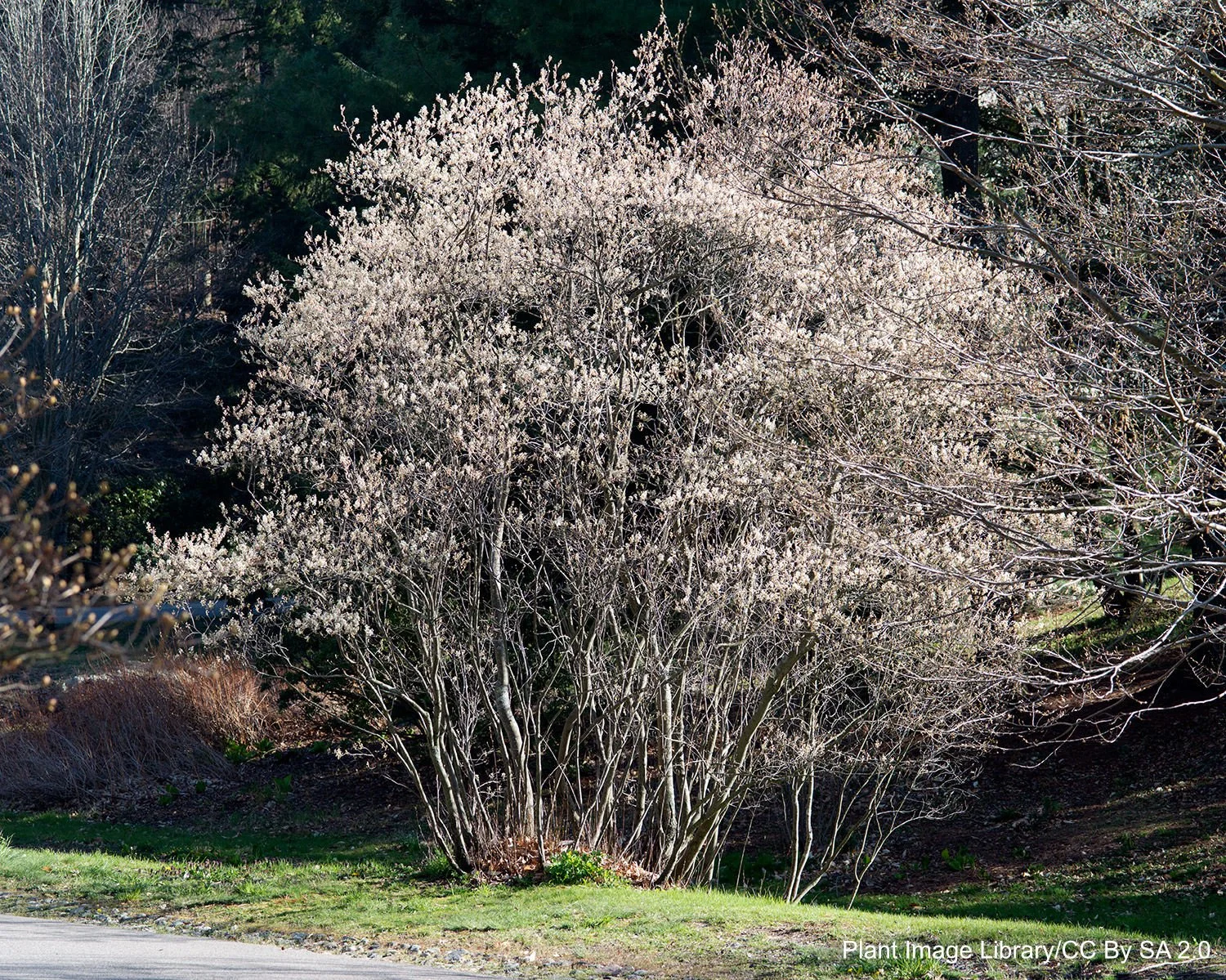
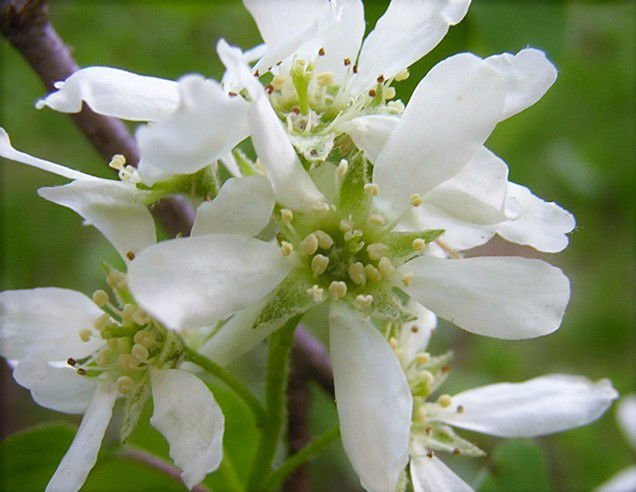
Few native plants can match the impressive, four-season performance of shadblow serviceberry (Amelanchier canadensis)— a cherished eastern woodland native that signals the true arrival of spring long before most other plants emerge. Usually the first to appear in the forest or garden each spring, its pure white, shimmering flowers are among the earliest to bloom against a landscape of bare brown branches. Small white flowers are produced in dense, upright racemes, opening to a delicate display before attractive reddish-purple buds unfold into small, rounded leaves — leaves covered with a fine, soft grey fuzz when young, giving the plant one of its endearing common names.
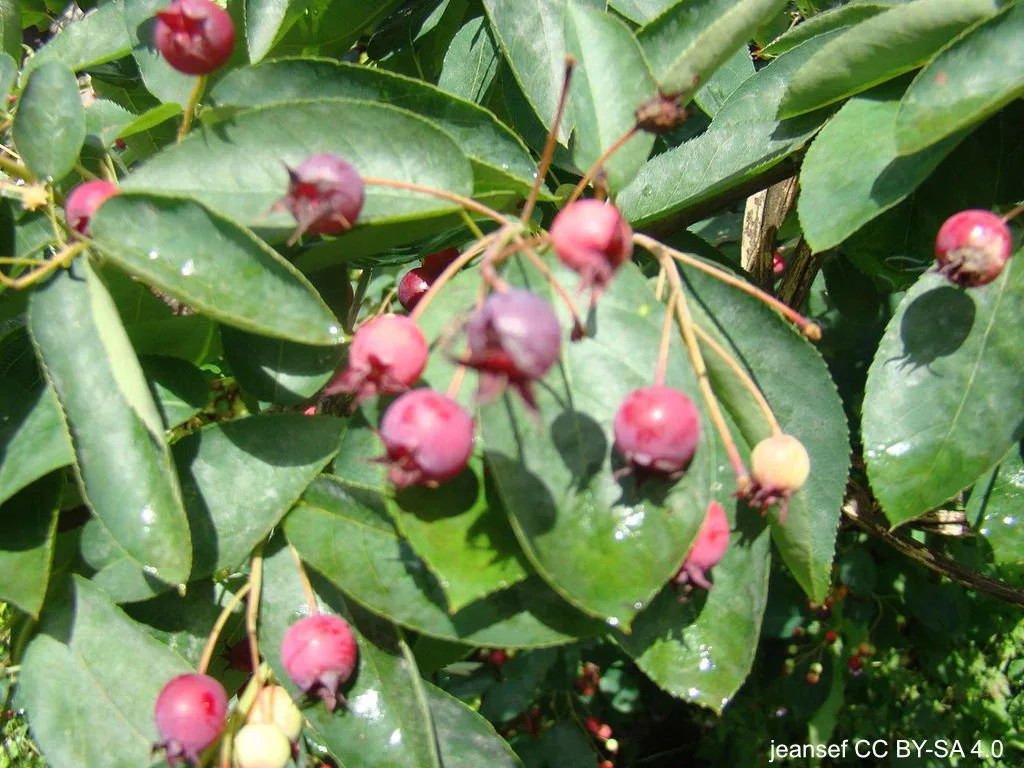
This deciduous large shrub or small tree typically reaches 15–25 feet in height, often growing in clusters with its upright branches creating a graceful, airy silhouette. The seasonal display continues beyond blooming: ornamental pinkish-red berry-like fruits develop in clusters and ripen to a rich purple by June — sweet and floral in flavor, similar to blueberries, and perfect for jams, pies, and other recipes. In autumn, the foliage turns vibrant red and orange.
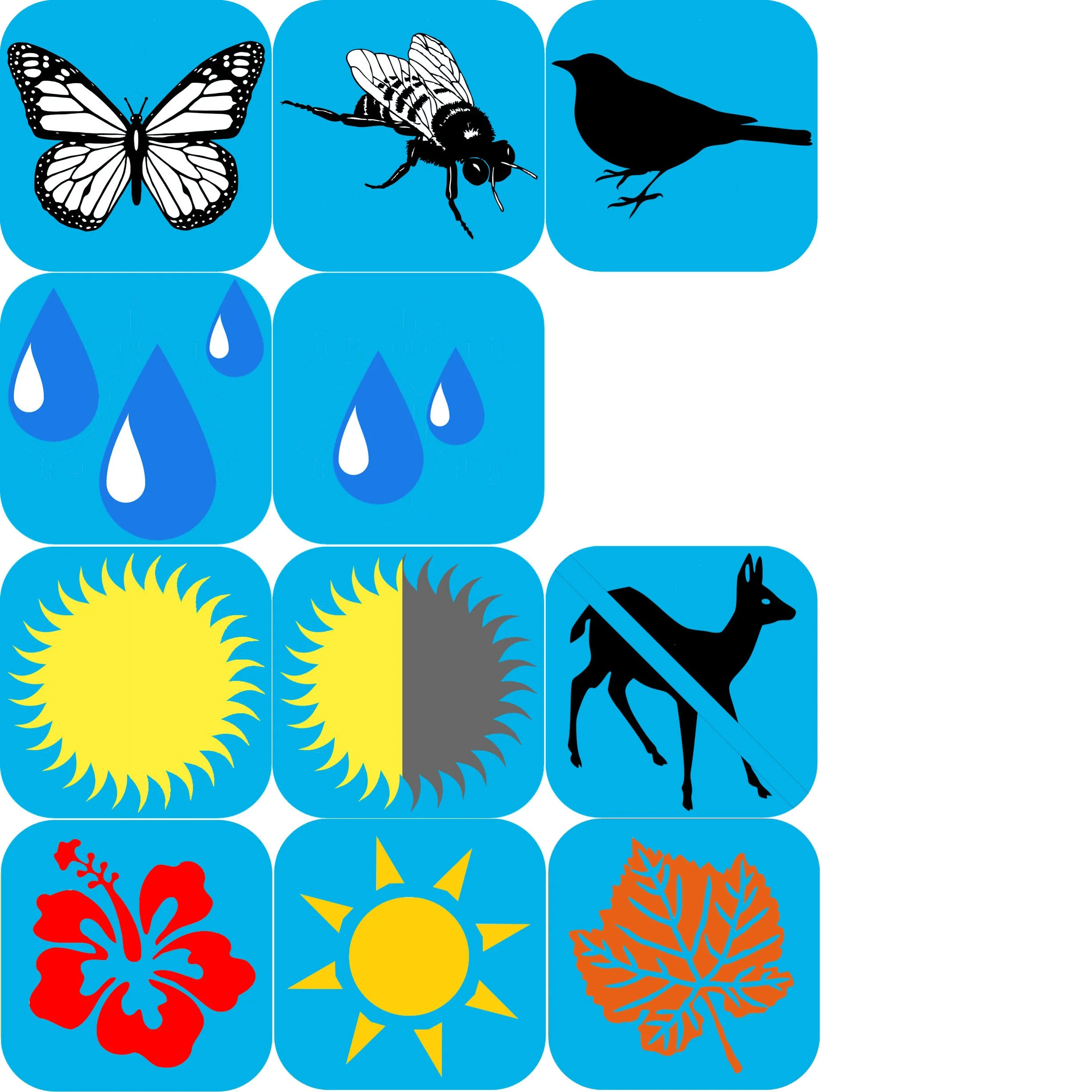
Shadblow serviceberry is an ecological powerhouse. It supports over 117 species of butterflies and moths, including the Luna Moth, Small-eyed Sphinx, Banded Purple, Red-Spotted Admiral, and Eastern Tiger Swallowtail. Birds are strongly attracted to the fruit, with known visitors including the American Robin, Baltimore Oriole, Cedar Waxwing, Eastern Bluebird, Northern Cardinal, and various warblers. As one of the earliest blooming plants in the landscape, it also serves as a vital food source for bees and other pollinators emerging in early spring.
Easily grown in average, medium, well-drained soil in full sun to part shade, and tolerant of a wide range of soil types. It is especially suitable for wet sites and spreads by sucker growth, making it an excellent choice for rain gardens, stream banks, and naturalized areas. It also performs well as a specimen plant, in hedges and screens, and for erosion control on slopes and banks. Deer resistant, and any pest or disease issues that do occur are generally cosmetic rather than serious.