
Yellow Root
Yellow Root
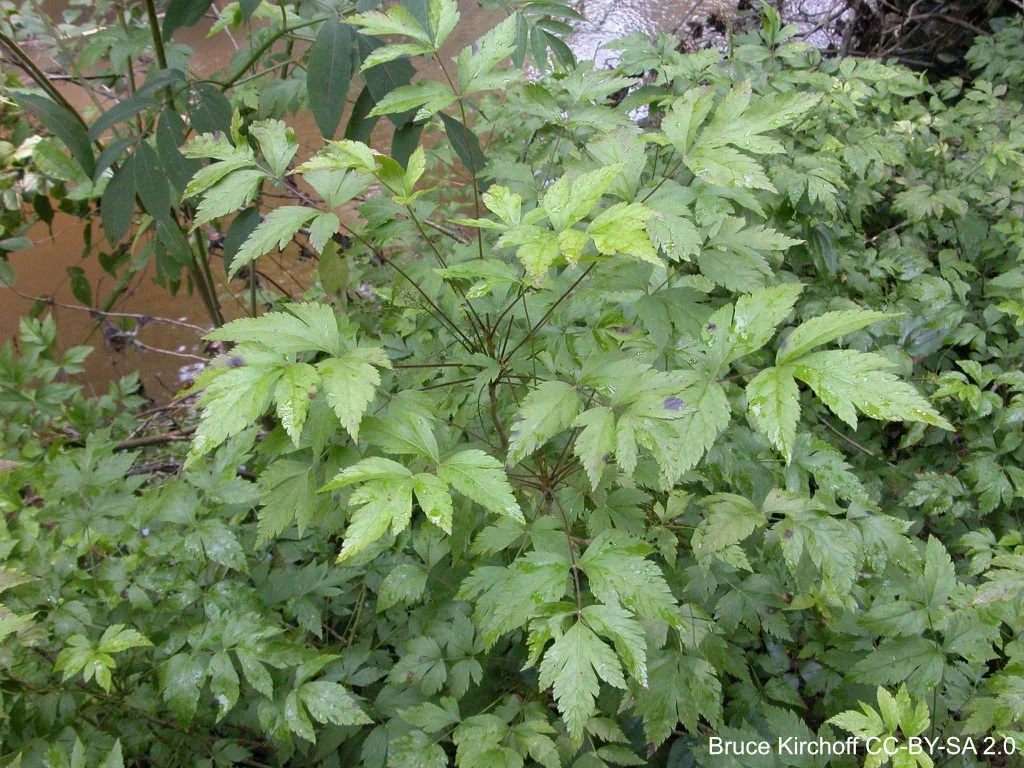
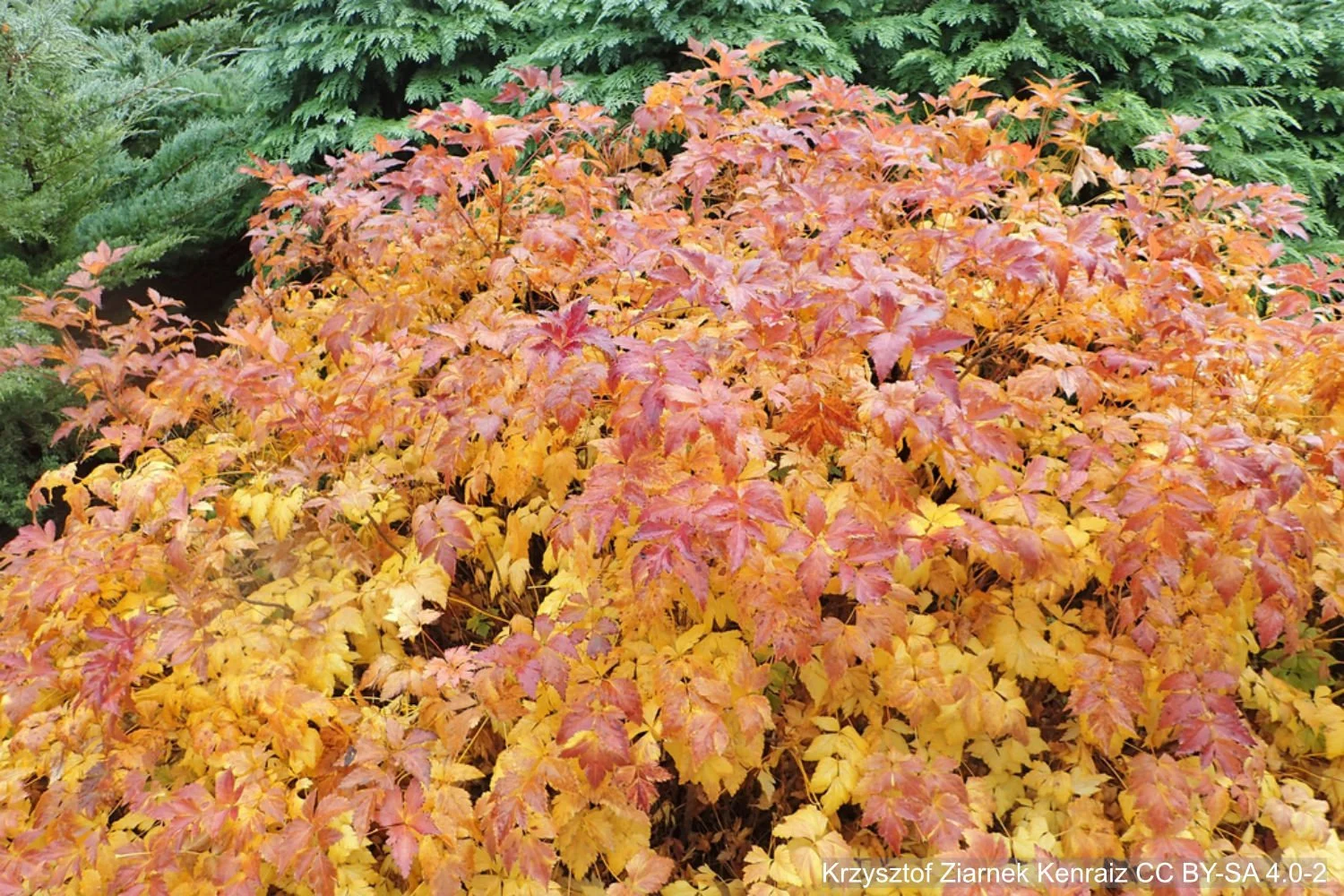
Yellowroot (Xanthorhiza simplicissima) is an adaptable, low-growing deciduous shrub that forms a dense, multi-stemmed carpet typically 1–3 feet tall, it spreads steadily to fill difficult spaces with elegant texture. Its pinnately compound, deeply lobed leaves emerge bright green in spring and develop attractive shades of yellow or maroon in autumn — offering genuine four-season interest.
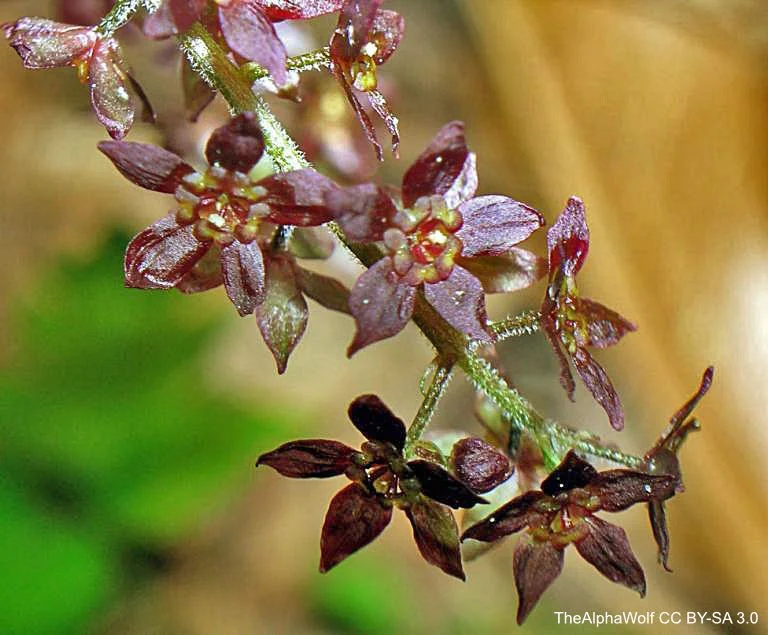
In mid to late spring, arching sprays of small, plum-colored, star-shaped flowers with yellow centers appear at the tops of the unbranched stems.
True to its name, the plant's vivid yellow roots contain the alkaloid berberine, which Native Americans used to produce a rich yellow dye.
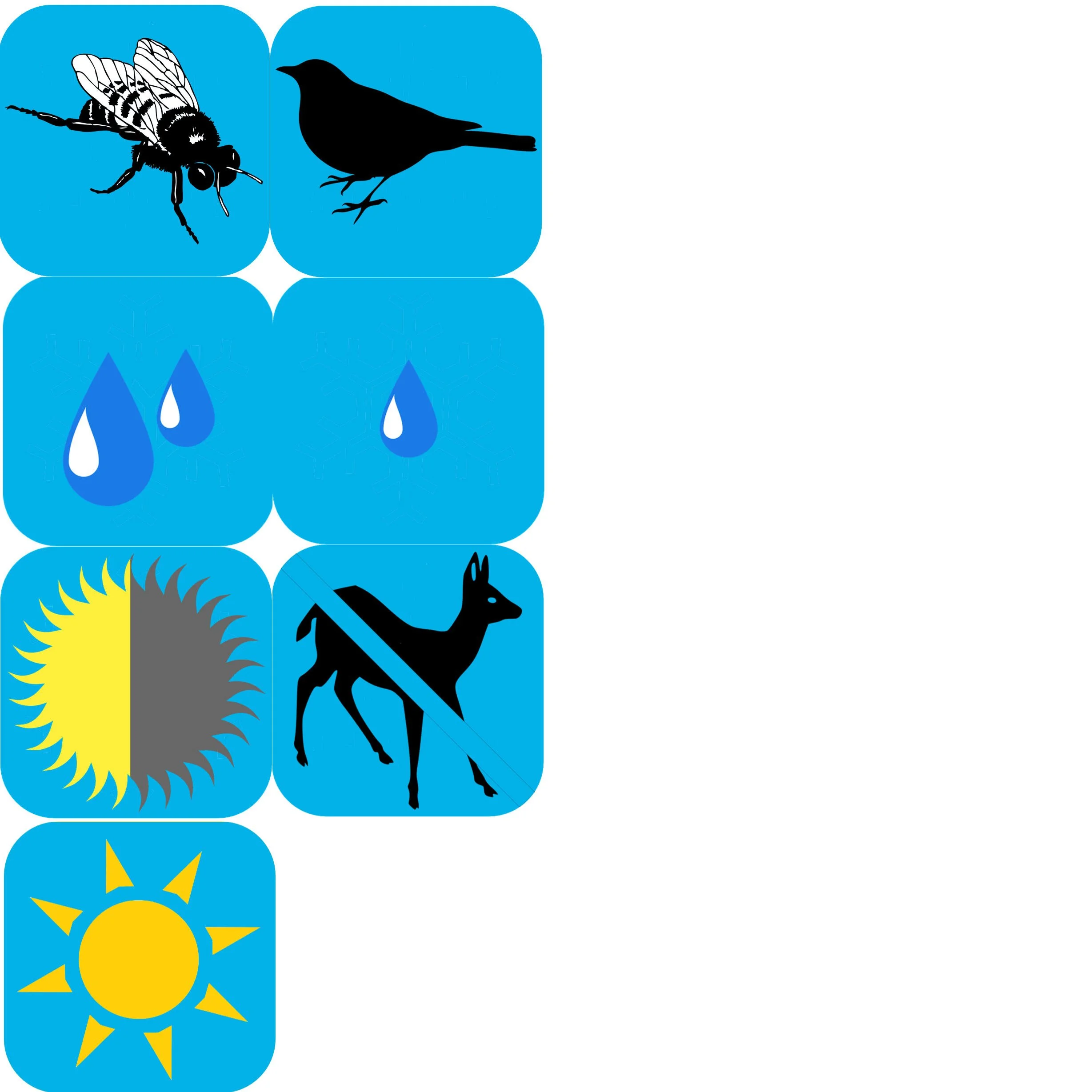
Yellowroot thrives in average to moist, acidic to neutral soils in full sun to partial shade, and will tolerate drier conditions once established. It adapts to a wide range of soil types, from silt to sand to clay, and can be used to stabilize slopes and prevent erosion. It is an outstanding choice for stream banks, rain gardens, and shaded borders where other plants struggle. Excellent pest and disease resistance and strong deer tolerance make it a reliably low-maintenance addition to the landscape.